
Direct-to-consumer eCommerce is reshaping the retail landscape, offering you unique products and a personalized shopping experience. As the market continues to grow in 2024, we can expect even more innovation and exciting trends.
Whether you’re a consumer enjoying the convenience or a brand navigating the challenges, the D2C model is here to stay. This article will delve into a few aspects of D2C e-commerce, such as the current state of D2C, emerging market D2C in Southeast Asia, trends driving online shopping, and brands nailing the D2C model.
Current State of D2C eCommerce
Technology is at the heart of the D2C revolution. From AI-driven recommendations to augmented reality try-ons, tech innovations make shopping more fun and engaging. These innovations help you find exactly what you’re looking for, making shopping a breeze. Plus, with seamless payment options and fast shipping, D2C brands are setting new standards in e-commerce.
Sustainability is also a significant trend in 2023, with 67.9% of consumers willing to pay more for eco-friendly products. D2C brands often lead the way in sustainable practices, from using recycled materials to ensuring fair labor practices. By shopping for D2C, you can support brands that align with your values, making a positive impact on the planet.
Of course, it’s not all sunshine and rainbows. D2C brands face unique challenges, such as high competition and rising customer acquisition costs. Additionally, maintaining customer loyalty can be tough in a crowded market. But with innovative approaches and a focus on customer experience, many D2C brands continue to thrive.
Emerging Market the D2C Charge in Southeast Asia
When you think about direct-to-consumer eCommerce, Southeast Asia probably isn’t the first region that comes to mind. However, the landscape here is buzzing with energy, and the countries are making huge strides in this domain.
Southeast Asia is experiencing a digital revolution. According to Statista, the region boasts one of the highest rates of mobile internet penetration globally. In 2023, there were over 565.37 million internet users in Southeast Asia, and a significant majority accessed the internet through their mobile devices.
The growth of direct-to-consumer eCommerce in Southeast Asia isn’t happening in a vacuum. Several factors contribute to this exciting trend, making the region a fertile ground for D2C brands.
D2C companies are perfectly positioned to meet these expectations by offering tailored products and exceptional customer service. This trend is evident across various sectors, from fashion and beauty to electronics and home goods.
Thailand: The Land of Smiles and D2C Innovation

Source: Statista
Thailand isn’t just known for its stunning beaches and delicious food; it’s also becoming a hotspot for direct-to-consumer eCommerce. You might be surprised to learn that Thailand has one of the most vibrant online retail markets in Southeast Asia. In 2023, the eCommerce market in Thailand was valued at over USD 166 billion or 5.96 trillion baht, with D2C brands playing a significant role.
What’s driving this growth? First off, there’s a tech-savvy population eager to shop online. Mobile penetration in Thailand is incredibly high, with an internet penetration rate of 85.3% and a significant portion of users accessing the web via their smartphones. This means that reaching customers through mobile-friendly D2C platforms is more effective than ever.
Additionally, Thai consumers love personalized shopping experiences. D2C brands excel at providing just that—tailored products, unique shopping journeys, and direct customer engagement. For instance, Thai beauty brand Mistine has seen tremendous success by leveraging social media and influencer partnerships to connect directly with consumers.
Vietnam: The Rising Star of D2C eCommerce
Vietnam is another country making waves in the D2C eCommerce space. The country’s eCommerce market is booming, with a growth rate of over 25% in 2023 alone stated by VECOM.
Consumer demand has skyrocketed since the COVID-19 crisis. Around 766 million products were bought online in Q1 of 2024, marking an astonishing 83.2% increase compared to the same period in 2023.
What sets Vietnam apart is its youthful, digitally-native population. Over 51.6% of the population is under the age of 35, and they are incredibly comfortable with online shopping. This demographic shift has opened up massive opportunities for D2C brands to establish a strong foothold.
Indonesia: A Giant Awakening to D2C Potential

Source: e-Conomy SEA 2023
Indonesia, with its vast and diverse population, is waking up to the possibilities of direct-to-consumer eCommerce. As the largest economy in Southeast Asia, Indonesia’s eCommerce market reached a staggering USD 62 billion in 2023. With such a massive market, the potential for D2C brands is enormous.
Indonesia’s eCommerce landscape is unique due to its diverse islands and varying consumer preferences. However, this diversity also presents a challenge—logistics. Fortunately, innovative D2C brands are finding ways to overcome these hurdles.
Moreover, Indonesian consumers are becoming increasingly discerning. They appreciate high-quality products and value-for-money, which D2C brands are well-positioned to offer. With social media influencing shopping habits, Indonesian D2C brands are leveraging platforms like Instagram and TikTok to engage with their audience directly.
Trends Driving Online Purchases
Consumer behavior in the Direct-to-consumer eCommerce sector is constantly evolving, driven by convenience, personalization, and technological advancements. Whether it’s through mobile shopping, social media influence, or sustainable choices, the future of online shopping looks promising and exciting.
Convenience is King
One of the primary reasons people flock to online shopping is the sheer convenience it offers. You can browse a wide variety of products, compare prices, and make purchases all from the comfort of your home. No more battling traffic, standing in long lines, or dealing with crowded stores.
With the increasing use of smartphones, mobile shopping has skyrocketed. More and more consumers are using their phones to make purchases on the go. This trend is particularly strong among younger generations who are always connected and prefer the flexibility of mobile shopping.
The convenience of mobile apps, coupled with features like one-click checkout and mobile wallets, makes shopping on your phone quick and easy. Whether you’re commuting to work or lounging at home, you can shop whenever and wherever you want.
A survey conducted in 2022 by Lazada in collaboration with Milieu Insight revealed that 43% of consumers prefer shopping online due to the convenience factor. The ability to shop 24/7 and the ease of accessing product information are key drivers. It’s all about making life easier for you.
Personalized Shopping Experience
A major trend driving online purchases is the personalized shopping experience. When you shop online, the websites remember your preferences, recommend products you might like, and even offer exclusive discounts. This level of personalization makes you feel valued as a customer and more likely to return for future purchases.
In late of 2021, data from McKinsey showed that 76% of online shoppers are more likely to buy from a retailer that sends them personalized offers and recommendations. This trend is powered by advanced algorithms and data analytics, which help businesses understand your shopping habits and preferences.
Another trend is fast and free shipping options who are also a huge draw for online shoppers. The expectation for quick delivery times has increased, with many consumers expecting their orders to arrive within a few days, if not sooner.
The promise of fast delivery and no extra shipping costs can be the tipping point that converts a browser into a buyer. Consumers want their purchases to arrive promptly and without additional fees.
Brands nailing the D2C model
These success stories highlight the immense potential of direct-to-consumer eCommerce in Southeast Asia. Brands like Pomelo Fashion, Althea Korea, Xiaomi, Love, Bonito, HappyFresh, and PurelyB have shown that with the right strategy, understanding of the market, and a customer-centric approach, the D2C model can lead to significant growth and success.
As more consumers embrace online shopping, the D2C model will continue to thrive, offering brands a unique opportunity to build strong, direct relationships with their customers.
Glowing Success: Pomelo Fashion

Source: Pomelo Fashion
When you think of direct-to-consumer eCommerce, Pomelo Fashion should be the first name on your mind. This Bangkok-based brand has taken Southeast Asia by storm with its chic and affordable clothing line.
Founded in 2013, Pomelo has seamlessly integrated online and offline shopping experiences. Their strategy is blending of trendy fashion, smart use of data, and strong social media presence.
Pomelo’s D2C model allows them to quickly adapt to changing trends, reducing the time from design to market. According to its financial statements, Pomelo Fashion reported a 34% increase in revenue year-on-year for 2022.
In terms of markets, approximately 80% of Pomelo’s revenue in 2022 was generated from its primary market, Thailand. These results suggest that the company maintained its strength during that period.
Tech Trends: Xiaomi
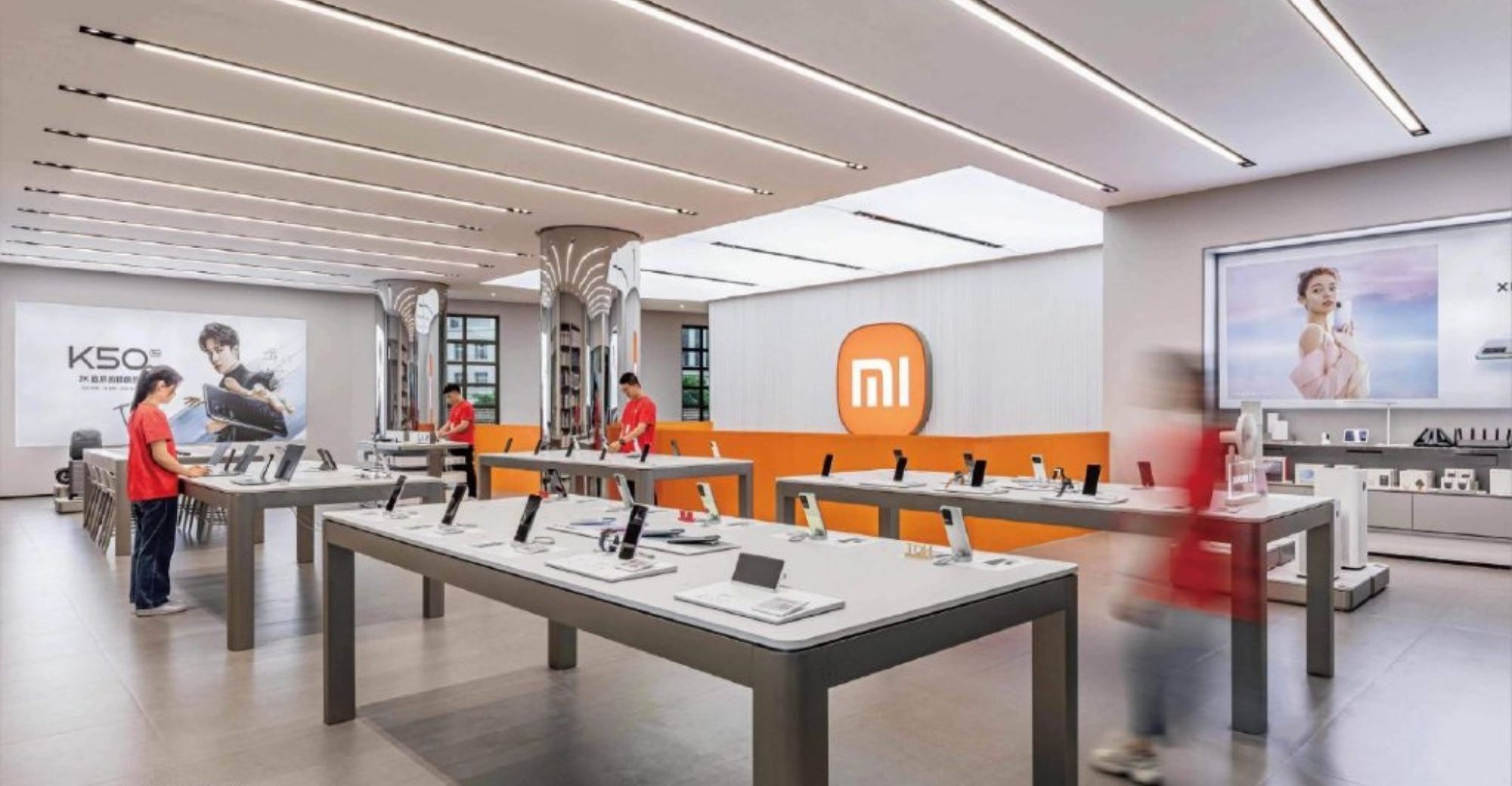
Source: Xiaomi
Xiaomi has revolutionized the tech market with its direct-to-consumer eCommerce strategy. Known for its high-quality smartphones and gadgets, Xiaomi offers great value for money by bypassing traditional retail channels. Their D2C model ensures you get the latest tech at unbeatable prices.
In Southeast Asia, Xiaomi has built a strong presence, especially in countries like Indonesia, Malaysia, and Thailand. Xiaomi’s success is attributed to its robust online store, active social media engagement, and a community-driven approach. When you buy a Xiaomi product, you’re not just getting a gadget; you’re joining a community of tech enthusiasts.
Food for Thought: Love, Bonito

Source: Love, Bonito
Love, Bonito is another brand making waves in the direct-to-consumer eCommerce space. This Singaporean fashion label has captivated the hearts of women across Southeast Asia with its stylish and comfortable clothing. Founded in 2010, Love, Bonito has grown from a humble blogshop to a leading fashion brand.
Their D2C model allows them to control every aspect of the customer experience, from design to delivery. Love, Bonito’s success lies in their deep understanding of their target audience and their ability to create relatable and aspirational content.
In 2022, the company saw a 45% increase in revenue compared to the previous year. The financial statements reveal that Singapore continues to be the top revenue source, generating US$31.9 million, which accounts for two-thirds of the total revenue.
Staying ahead in a crowded market
Southeast Asia’s eCommerce market is booming, but with growth comes fierce competition. If you’re venturing into Direct-to-consumer (DTC) eCommerce, you need to stay ahead. The region is a dynamic and vibrant market, full of opportunities for those who know how to seize them.
Excellent customer service can set your DTC brand apart in a crowded market. Southeast Asian consumers value prompt and helpful customer support. Offering multiple channels for customer service, such as live chat, social media, and email, can enhance the customer experience.
In 2023, 78% of consumers in the region cited customer service as a key factor in their purchasing decisions. Ensuring that your customers feel valued and heard can lead to repeat business and positive word-of-mouth.
In a region where trust is paramount, showcasing customer reviews and testimonials can build credibility for your DTC brand. Positive feedback from satisfied customers can influence potential buyers. Encourage happy customers to leave reviews and share their experiences on social media to attract new customers.
Payment preferences vary across Southeast Asia. While credit cards are common, many consumers prefer local payment methods such as digital wallets and bank transfers. A 2023 Visa study on consumer payment attitudes revealed that e-wallets are the most widely used payment method in Southeast Asia, with 83% of consumers utilizing them. By offering a variety of payment options, you can cater to a broader audience and reduce cart abandonment rates.