
Influencer marketing is like a treasure hunt, where the map is always changing. Every year brings new trends and exciting opportunities for brands and influencers alike. Influencer marketing insights reveal a fascinating variety of influencer archetypes, each with unique strengths and appeals. These archetypes help you pinpoint the right influencers for your campaigns. Let’s dive into a few popular ones you’ll encounter.

1. The Celebrity
Celebrities are influencers who have gained fame outside of social media platforms, often through traditional media channels like film, music, or sports. Their massive followings make them ideal for brands seeking broad exposure and instant credibility.
Collaborating with celebrities can elevate brand visibility significantly, leveraging their star power to reach millions. However, working with celebrities can be costly, and their endorsement must align seamlessly with your brand’s values to resonate authentically with their audience.
2. The Industry Expert
Industry experts are influencers who have established themselves as authorities in specific fields through their knowledge, expertise, and professional achievements. They often have a loyal following that trusts their opinions and recommendations.
Partnering with industry experts can enhance your brand’s credibility and authority within a niche market. Their endorsements carry weight and influence, making them effective for campaigns focused on education, thought leadership, and specialized products or services.
3. The Everyday Influencer
Everyday influencers, also known as micro or nano influencers, are individuals who have built a modest but engaged following based on their authentic and relatable content. They typically share personal experiences, lifestyle tips, or niche interests with their audience.
Everyday influencers excel at creating genuine connections with their followers, who perceive them as trustworthy peers rather than distant celebrities. Collaborating with everyday influencers can humanize your brand and foster deeper community engagement. Their recommendations often carry significant influence among their loyal followers, driving authentic word-of-mouth marketing.
4. The Creator
Creators are influencers who specialize in producing original and visually compelling content across various platforms, including photography, videography, and graphic design. They are skilled storytellers who captivate their audience with creative narratives and aesthetics.
Creators often have a distinct artistic style and a loyal fan base that appreciates their unique perspective. Partnering with creators can infuse creativity and visual appeal into your campaigns, making them ideal for brands looking to showcase products or services in an aesthetically pleasing and engaging manner.
Impact of AI on Influencer Marketing
Artificial Intelligence (AI) is revolutionizing the world of influencer marketing, making campaigns more effective and efficient. AI is transforming this space, bringing fresh insights to the forefront.
Finding the perfect influencer for your brand used to be a time-consuming task. You had to sift through countless profiles and evaluate their relevance manually. Now, with AI, this process is streamlined and precise.
AI-powered platforms analyze vast amounts of data to match brands with influencers whose followers align with their target audience. This ensures that your message reaches the right people, maximizing the impact of your campaigns.
Optimizing Content Creation
Creating engaging content is crucial for any influencer marketing campaign. AI tools can help here by providing valuable Influencer Marketing Insights into what type of content resonates best with your audience.
AI can analyze past campaign performances and current trends to suggest content ideas that are likely to succeed. This means you and your influencers can focus on creativity and authenticity, knowing that your content strategy is backed by solid data.
Moreover, AI can help in generating content outlines or even full drafts, making the content creation process smoother and faster.
Enhancing Personalization
Personalization is key to engaging today’s consumers, and AI excels at this. By analyzing user behavior and preferences, AI can help influencers tailor their messages to individual audience members. This level of personalization increases the relevance of your content, making it more likely to resonate with viewers.
You can use these Influencer Marketing Insights to craft campaigns that feel uniquely personal to each follower, fostering deeper connections and loyalty. Personalized marketing is not just a trend; it’s a necessity in today’s digital landscape, and AI makes it possible at scale.
Automating Routine Tasks
AI can take over repetitive and time-consuming tasks, freeing you up to focus on strategy and creativity. For example, AI can handle influencer outreach, sending personalized messages to potential partners. It can also automate reporting, generating detailed performance reports with just a few clicks.
This automation ensures that you don’t miss any crucial thing, as AI can continuously monitor and analyze data in the background. You get real-time updates and actionable insights without the manual effort, making your campaigns more agile and responsive.
Enhancing Audience Engagement
AI tools can also enhance how influencers engage with their audience. Chatbots and virtual assistants powered by AI can handle routine queries, leaving influencers more time to create and share content.
These AI tools can interact with followers 24/7, providing instant responses and maintaining engagement even when the influencer is offline. This continuous interaction keeps your audience engaged and connected, providing a seamless experience that strengthens the bond between the influencer and their followers.
Comparing Different Social Media Platforms
When diving into the world of influencer marketing, one of the most exciting aspects is comparing different social media platforms. Selecting the right social media platform for your influencer marketing campaign depends on your brand’s goals, target audience, and content type. Each platform offers unique advantages that can enhance your campaign’s effectiveness.
Instagram: The Visual Powerhouse

Image source: Lily Maymac
Instagram is the go-to platform for visual content, making it ideal for brands with visually appealing products or services. You get access to a vast audience eager to engage with stunning photos and short videos. Instagram Stories, Reels, and IGTV offer various formats to showcase your content creatively.
Influencer marketing insights suggest that Instagram excels in fostering authentic connections between influencers and their followers. This platform is perfect for lifestyle, fashion, beauty, and travel brands that rely heavily on aesthetic appeal. The swipe-up feature in Stories is a powerful tool for driving traffic directly to your website or landing page.
YouTube: The Long-Form Content King

Images source: Sydney Serena
YouTube is the undisputed leader when it comes to long-form video content. If your brand needs detailed product demonstrations, tutorials, or in-depth reviews, YouTube should be your platform of choice.
The platform’s monetization options also attract high-quality content creators who can produce professional-grade videos. Tech, gaming, education, and fitness brands often find YouTube the best place to connect with their target audience. The comment section fosters community engagement, providing valuable feedback and interaction opportunities.
TikTok: The Viral Sensation

Images source: Niana Guerrero
TikTok has taken the social media world by storm with its short, catchy videos and viral trends. It’s a fantastic platform for brands looking to reach a younger, highly engaged audience. Influencer marketing insights highlight TikTok’s unique ability to create viral content quickly, thanks to its algorithm and trend-driven nature.
Brands can collaborate with influencers to participate in challenges, create branded hashtags, and develop entertaining content that resonates with the platform’s energetic vibe. TikTok’s playful and spontaneous atmosphere makes it ideal for brands that want to showcase their fun side and connect with Gen Z consumers.
Facebook: The All-Around Contender

Image source: Kyline Alcantara
Facebook remains a powerful player in the social media landscape, especially for reaching a broad and diverse audience. With its wide range of content formats, including posts, videos, Stories, and live streams, Facebook offers flexibility for various influencer marketing campaigns.
Influencer marketing insights indicate that Facebook in Philippines has much higher penetration than other Southeast Asia markets. This platform is particularly effective for brands aiming to engage those who are interested in community building. Facebook Groups provide a space for deeper interactions, where influencers can foster loyal communities around shared interests.
Twitter: The Real-Time Conversationalist
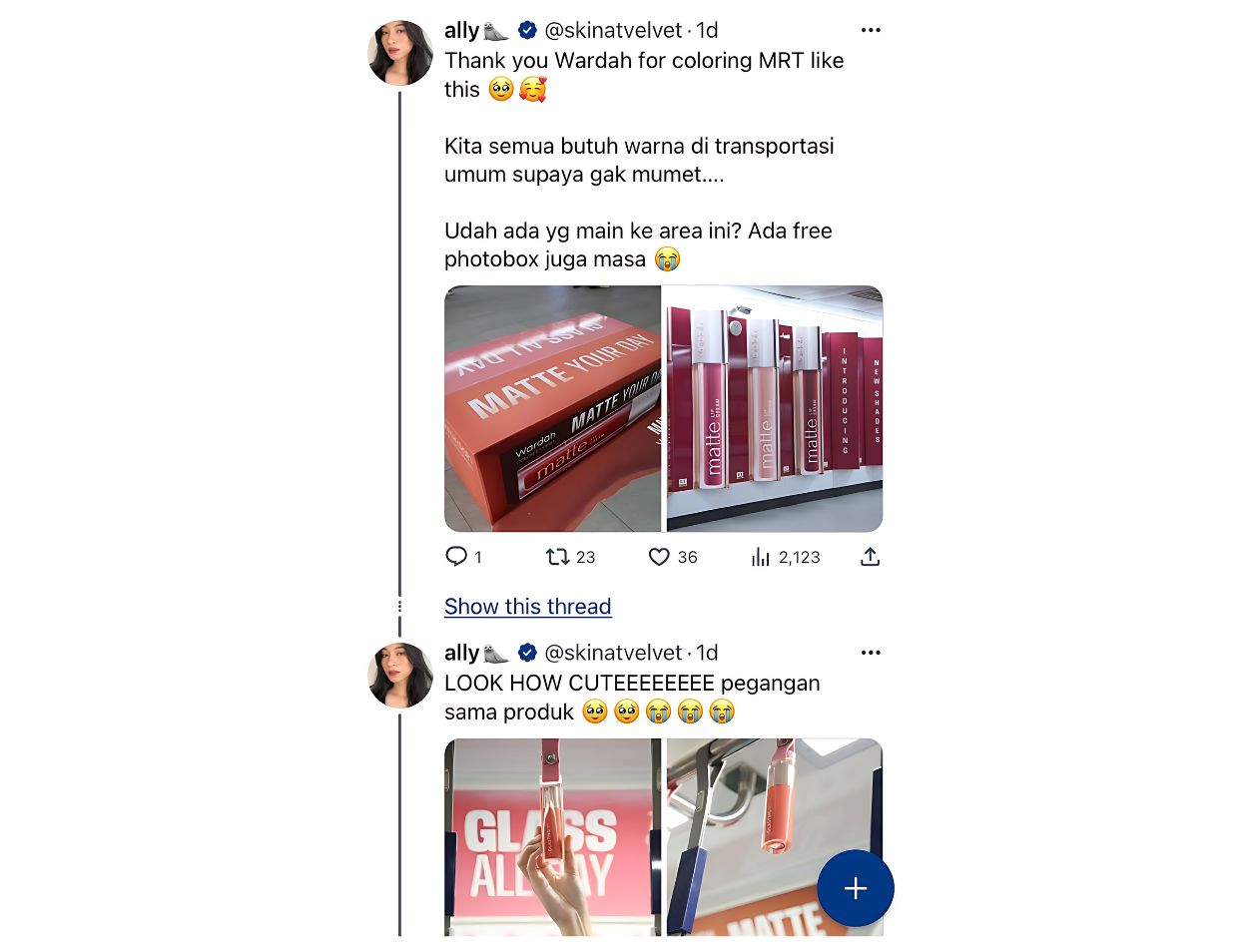
Image source: @skinatvelvet
Twitter is all about real-time conversations and trends, making it an excellent platform for brands looking to engage in timely discussions. Thailand leads Southeast Asia in X (Twitter) usage, emphasizing a strong preference for consuming influencer content.
The platform’s brevity encourages quick, impactful messages and facilitates direct interactions between influencers and followers. Brands can leverage Twitter to stay relevant and engage with their audience in real-time. Twitter’s hashtag culture also enhances discoverability, helping your content reach a broader audience through trending topics.
Micro vs. Macro Influencers: What Works Best?
When diving into influencer marketing insights, one of the most debated topics is micro vs. macro influencers. Both have their unique perks and quirks, and the choice often depends on your brand’s goals and budget. Let’s break it down to see what works best for your campaign.
The Power of Micro Influencers
Micro influencers are like the hidden gems of the influencer world. These are individuals with a following ranging from 10,000 to 100,000. You might think smaller numbers mean less impact, but that’s not always the case. Micro influencers often have highly engaged audiences who trust their opinions.
One of the biggest advantages of working with micro influencers is their authenticity. They often have niche interests, making their content more relatable to a specific audience.
Imagine you’re promoting a new beauty product. Partnering with a micro-influencer who has a loyal following in the beauty community can be more effective than a general celebrity endorsement.
The key is their authenticity and close-knit relationship with their audience. When you see their followers engaging with comments like, “I trust your recommendations!” you know you’ve struck gold.
Cost is another factor where micro influencers shine. They typically charge less than macro influencers, making them a budget-friendly option for small businesses. Plus, you can work with multiple micro influencers for the price of one macro influencer, spreading your message across different communities.
However, there are some challenges too. Coordinating campaigns with multiple micro influencers can be time-consuming. You’ll need to ensure that each influencer aligns with your brand and delivers consistent messaging. But if done right, the effort can pay off significantly in engagement and authenticity.
The Reach of Macro Influencers
On the flip side, macro influencers are the celebrities of the social media world. These influencers boast hundreds of thousands to millions of followers. If you’re looking to reach a broad audience quickly, macro influencers are your go-to option.
Macro influencers offer unparalleled visibility. A single post from a macro influencer can generate massive reach and brand awareness. This is particularly beneficial for launching new products or running large-scale campaigns. Their vast followings mean your message gets in front of a lot of eyes very quickly.
Moreover, macro influencers often have professional teams helping them create high-quality content. This can be a significant advantage if you want polished, professional-looking promotional materials. The downside? They come with a hefty price tag. Macro influencers can be expensive, and their fees might not fit into every marketing budget.
Engagement is another point to consider. While macro influencers have large followings, their engagement rates can sometimes be lower compared to micro influencers. Their audience is broader and less targeted, which means your message might not resonate as deeply with every follower.
Additionally, the authenticity factor can be a challenge. Followers of macro influencers might perceive their endorsements as less genuine, given the commercial nature of their posts. This can affect the trust and effectiveness of the campaign. So, while macro influencers offer broad reach, it’s crucial to weigh this against the potential for lower engagement and higher costs.
Finding the Right Balance
So, which is better: micro or macro influencers? The answer depends on your specific goals and resources. A balanced approach often works best. Combining the authenticity and engagement of micro influencers with the reach and visibility of macro influencers can provide the best of both worlds.
For a new brand or a niche product, starting with micro influencers can help build a loyal, engaged customer base. As your brand grows, incorporating macro influencers can expand your reach and drive larger-scale awareness.
Another strategy is to leverage micro influencers for their strong engagement and use macro influencers for significant launches or special promotions. This way, you can maximize the strengths of both types of influencers, creating a well-rounded and effective marketing strategy.
Wrap up
Influencer marketing is an ever-changing journey with evolving trends annually. Brands can effectively navigate this complex landscape by embracing various influencer types, utilizing AI, selecting suitable platforms, and campaign types. This strategic approach enhances audience connections, boosts campaign efficiency, and responsiveness. As brands embrace new trends and technologies, they open doors to impactful, authentic influencer partnerships that drive digital business growth.