
E-commerce platforms rely on product categories to organize and display items efficiently. These categories group similar products under specific sections, such as “Electronics,” “Fashion,” or “Home Appliances,” making it easier for shoppers to browse and find what they need. Effective categorization not only enhances the shopping experience but also simplifies the buying process by ensuring a more intuitive navigation system.
Shopee Malaysia has taken this concept further with its Shopee Category Tree, a hierarchical framework designed to organize products into detailed categories and subcategories. This system benefits both shoppers and sellers: shoppers can quickly locate desired products, while sellers gain better visibility for their listings by placing them in the most relevant categories. Accurate categorization is key to connecting products with the right audience and improving overall sales performance.
The term “e-commerce product categories” refers to organized groups of products with similar characteristics. Essentially, it’s about grouping related items under specific sections within an online store. Common examples include “Electronics,” “Fashion,” and “Home Appliances.” By categorizing products effectively, e-commerce platforms enhance the shopping experience and streamline the buying process.
Why do e-commerce platforms need product categories?
Product categories also mean clarity and convenience. You can easily compare prices, find deals, or stumble upon new must-haves without breaking a sweat.
Shopee’s category tree, for example, is designed to simplify your journey. It’s not just about organization; it’s about anticipating your needs and delivering relevant options. This system turns what could be a chaotic shopping spree into an enjoyable and seamless adventure.

Image Credit: Official Shopee PH
E-commerce platforms are constantly updating their category lists to match evolving consumer trends. What you shopped for last year might now belong to a subcategory tailored to niche preferences.
As e-commerce grows, these lists become smarter, thanks to AI-driven personalization. For shoppers, this means less scrolling and more satisfaction as platforms fine-tune categories to fit your lifestyle.
Top 6 Ways Sellers Can Optimize Product Listings for the Shopee Category Tree
When selling on Shopee, knowing where your products fit within the Shopee category list is a game-changer. By leveraging the right categories, you can maximize visibility and appeal to shoppers hunting for specific products. Here’s what to focus on to stay ahead:
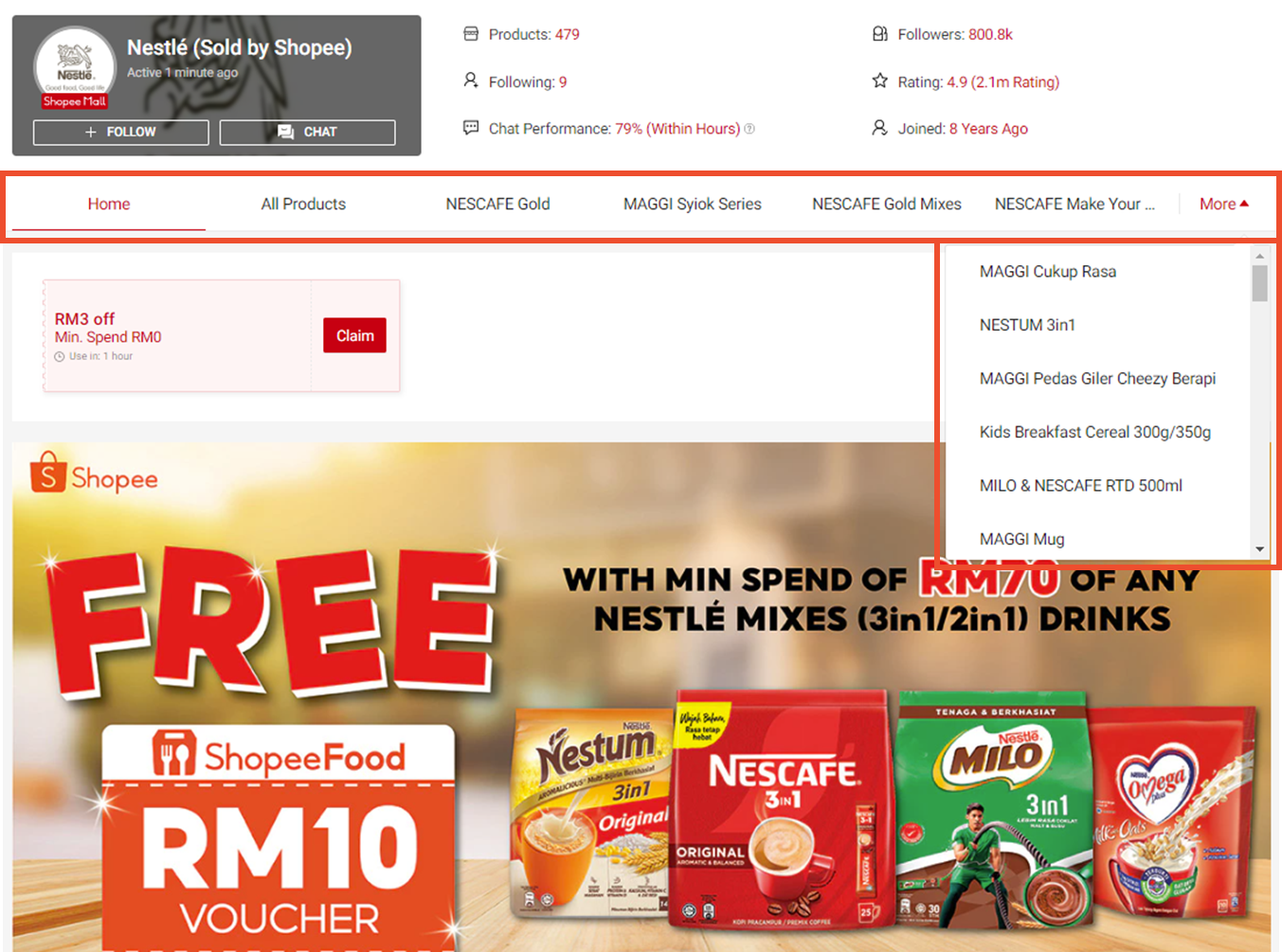
Image Credit: Official Shopee MY
#1 Position Your Product Correctly
You might have the perfect product, but if it’s buried in the wrong category, no one will find it. Use the Shopee category list wisely. Accurate placement means your products reach the right buyers faster, improving your click-through rates.
#2 Optimize Descriptions for Subcategories
Shoppers often know exactly what they want, and detailed descriptions can seal the deal. Use keywords relevant to your subcategory while keeping your tone friendly and inviting. For example, instead of simply labeling your product “cotton shirt,” describe it as a “breathable cotton shirt for daily wear in Men’s Casual Clothing.” This subtle touch can improve visibility and engagement to buyer.
#3 SEO-Optimized Titles and Descriptions
Incorporate relevant keywords into product titles and descriptions to improve search engine rankings both within Shopee and on external search engines such as Google. A well-structured title might include the brand, product type, key features, and specifications. For example, instead of merely writing “LED TV”, SEO optimize it to include relevant keywords such as “Samsung 55-Inch 4K UHD LED Smart TV with HDR and Built-In Apps”.
#4 Refresh Your Listings to Align With Demand
Consumer behavior shifts fast, regularly reviewing your category list can help you stay relevant. If a category you’re targeting isn’t performing, don’t hesitate to adjust! Quick tweaks to product descriptions and placements can keep your listings fresh and competitive.
#5 Use High-Quality Visuals for Product Listings
Use clear and attractive images and videos to showcase products. High-quality visuals can significantly impact click-through rates and conversions.
#6 Make Use of Cross-Selling Opportunities
Shopee categories often overlap, opening up opportunities to sell complementary products. Pair items from related categories to increase basket size. For example, if you sell fitness gear in “Sports & Outdoors,” list yoga mats and water bottles together. This strategy not only increases sales but also provides a better shopping experience for your customers. Cross-category selling also helps sellers build stronger brand recognition. When a brand is visible in more than one category, it establishes itself as a trusted and diverse seller.
Effectively optimizing your product listings within the Shopee Category Tree is essential for enhancing visibility, attracting the right audience, and boosting sales. This comprehensive approach not only improves your search rankings but also creates a seamless shopping experience for buyers, increasing their likelihood of conversion.
Navigating Challenges in the Shopee Category Tree
Have you ever searched on Shopee and wondered, “Which category does this item belong to?”
While the Shopee Category Tree is designed to streamline the shopping experience, both sellers and buyers may encounter challenges due to overlapping categories or ambiguous classifications.

Image Credit: Official Shopee SG
A wrong choice could mean buyers missing out on finding their desired items. Shopee’s vast product selection can sometimes lead to overlapping categories, making searches a bit challenging. For instance, should a reusable water bottle fall under Home Essentials or Sports Gear? Your choice might not match the seller’s, adding extra steps to your search.
As a seller, you understand how crucial it is to choose the right category on Shopee. An incorrect category can result in reduced visibility and lost sales opportunities. Shoppers browsing the Shopee category list might never come across your product if it’s not correctly categorized.
Additionally, you need to consider how buyers search—some use filters, while others explore detailed subcategories. This means you’re constantly navigating the challenge of predicting their behavior.
Why the Shopee Category Tree is a Game-Changer for Online Shopping
What sets Shopee apart is the vast variety of subcategories it offers. It’s comprehensive Shopee Category Tree, organizes a wide range of products into detailed subcategories.
For example, within the “Electronics” category, shoppers can explore specific sections like “Smartphones,” “Cameras,” and “Drones.” This structured hierarchy, combined with Shopee’s filters and tags, allows users to refine their searches by price, brand, or ratings, making the shopping experience more intuitive and personalized.
Simplify E-Commerce with Cube Asia’s Unified Category Insights
As e-commerce continues to evolve, tools like the Shopee Category Tree play a critical role in creating a seamless shopping experience and empowering sellers to maximize visibility. However, the challenge of managing and standardizing category structures across platforms and regions remains a pressing issue for many in the industry.
This is where Cube Asia steps in. By unifying e-commerce categories across countries and platforms, Cube Asia simplifies the complexities of category management for brands, sellers, and researchers. Their data-driven approach provides invaluable insights into emerging trends, enabling stakeholders to stay competitive in a rapidly changing market.
Explore Cube Asia’s E-commerce Category Index to gain a deeper understanding of how streamlined categorization can revolutionize the online shopping landscape and pave the way for smarter, more efficient e-commerce strategies.